
Blog
Billie Holiday and the Onyx Club Poster
Nov
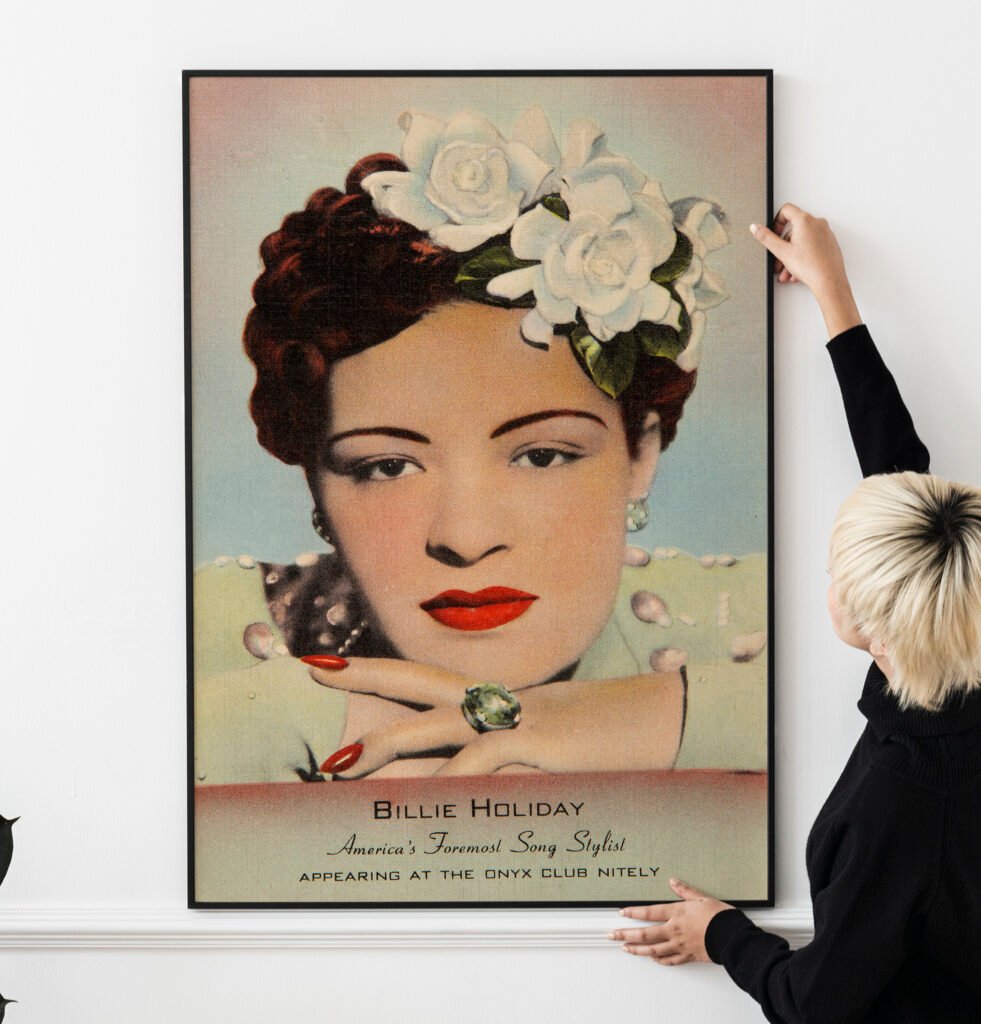
Billie Holiday’s name and the Onyx Club’s appear together in a poster listed by PulpPoster. The Billie Holiday Onyx Club poster evokes a New York jazz night, but its precise history remains to be checked.
Reading it as an image rather than a confirmed event record opens a wider story about club performance and the artwork used to draw an audience.
A singer’s name and a club’s promise
The catalogue lists the Billie Holiday Onyx Club poster as a colour reproduction associated with 1940s New York. That description gives us a singer, a club name and a period, but it does not establish an event date or identify the artist who made the original artwork.
Those distinctions matter. A poster can evoke a performer’s world without proving that it advertised a particular appearance. To establish that, a researcher would need to trace the artwork’s source and compare any event details with contemporary records.
There is still plenty to consider in the pairing of Holiday’s name and a New York club. Together, they point towards a culture in which music was encountered not only through records and radio, but also in rooms where singers, musicians and audiences shared an evening.
Holiday in a city of listening rooms
Holiday’s singing is closely associated with her individual approach to phrasing: the placement and shaping of words could make a familiar song feel newly intimate. On a recording, listeners hear a performance fixed in time. In a club, the same song could be part of a changing exchange between singer, accompanists and audience.
New York’s jazz clubs offered a setting for that kind of encounter. The city’s 52nd Street became particularly associated with jazz nightlife, its clubs contributing to the street’s identity as a place to hear musicians in person.
An advertisement for a club performance had a different task from a record sleeve. It had to make an evening worth seeking out, bringing the appeal of a performer together with the character of a venue. The name of the room could promise an atmosphere as well as an address.
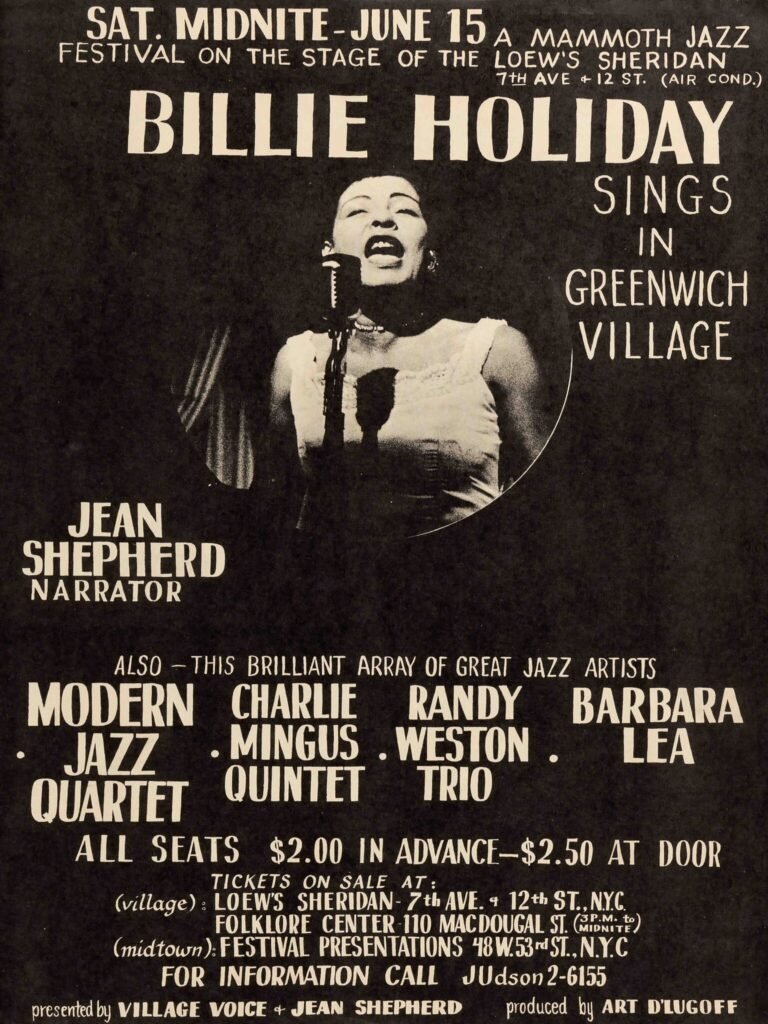
What a club poster can tell us
A performance poster compresses a social occasion into a surface. Names, venue information and any surviving date can tell a reader what an advertiser wanted the public to notice; they cannot tell us how the music sounded or who was in the room.
That gap is part of the interest. A poster sits between the practical work of attracting an audience and the later desire to imagine a vanished night. Its visual character can suggest an era, but a reproduction’s aged appearance is not, by itself, evidence of when its source was made.
The Onyx Club artwork is therefore best approached as a prompt rather than a complete record. Its period and subject invite questions about Holiday’s live career, while the missing provenance leaves the specifics open.
Other jazz images, other stories
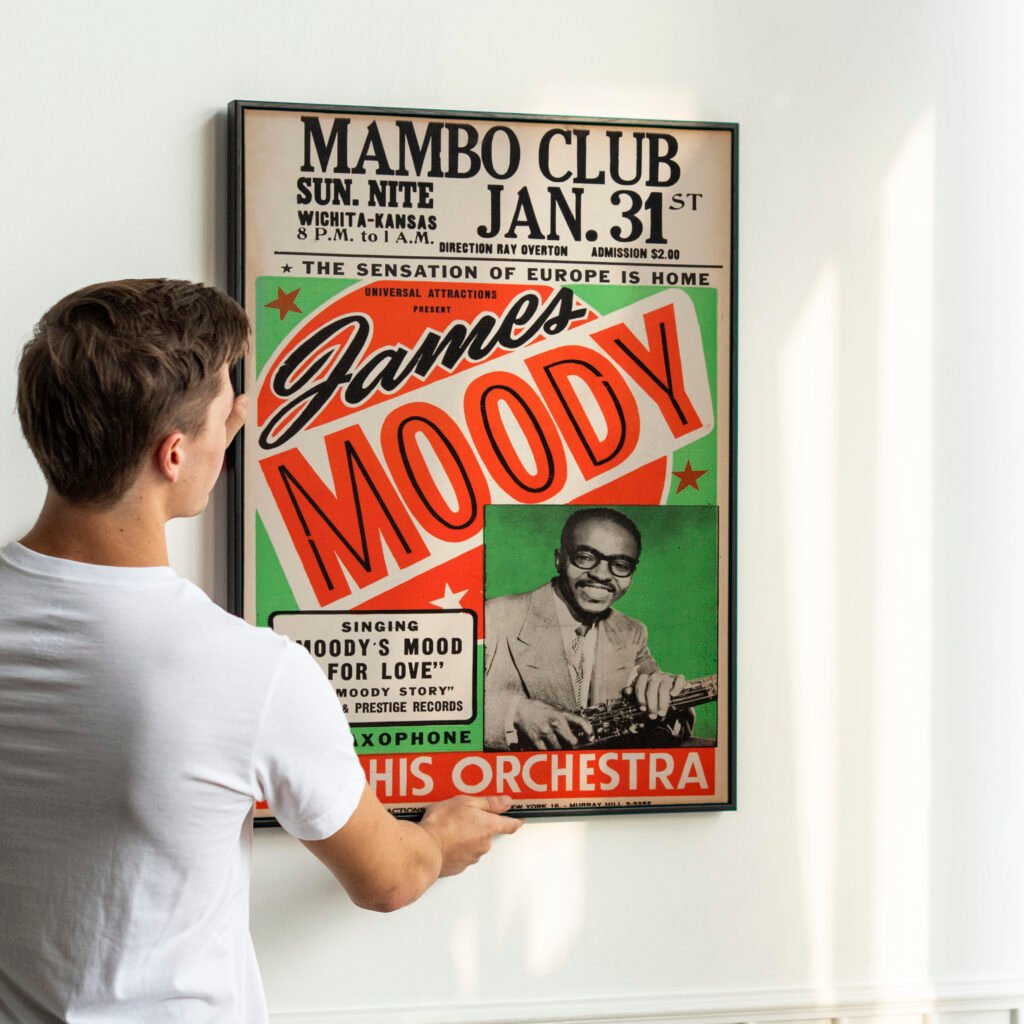
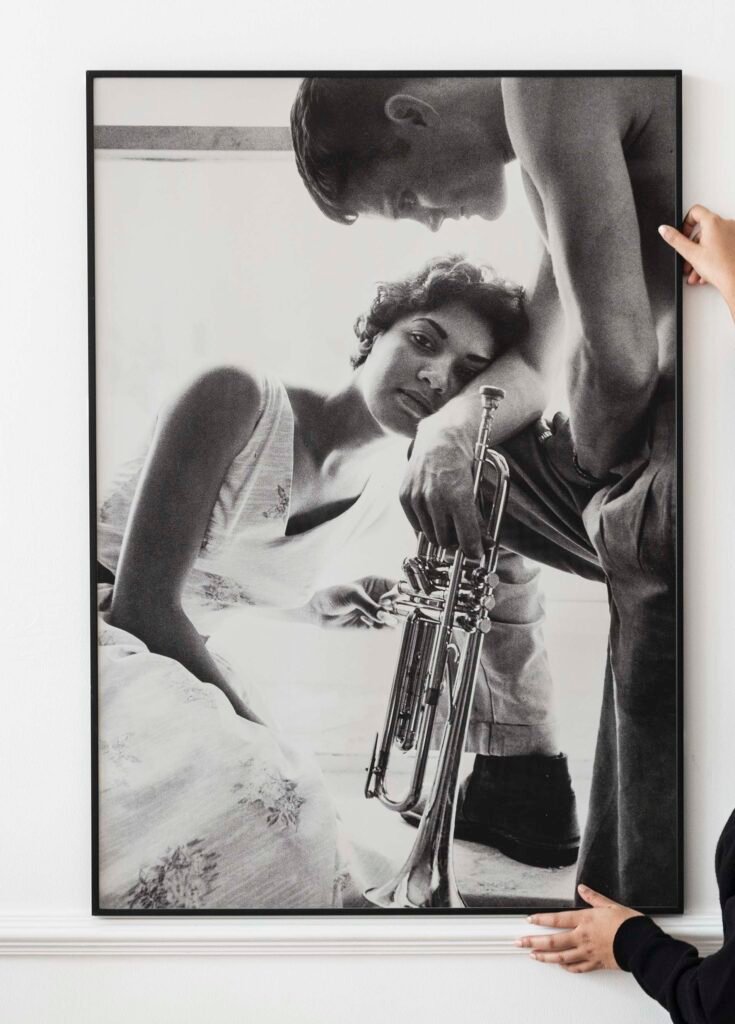
Other catalogue pieces show how much information a jazz image can carry before a viewer hears a note. The James Moody concert poster is listed with bebop and a 1960 date; the Halina and Chet Baker poster is listed with Redondo Beach and 1955. Those are catalogue descriptions, not independently verified details of the artworks’ origins.
Each title frames its subject differently: one foregrounds a musician and a concert, the other names two people and a place. Set beside the Holiday print, they invite a broader look at the ways performance, personality and location become part of jazz’s visual memory.
The most useful reading leaves room for uncertainty. A name on paper can lead back towards a musical world; establishing exactly which night, artist or original printing it records takes another kind of investigation.
Shop the collection
 Havana Cuba Travel Poster Fly to Gay Havana 1950 Price range: $5.50 through $230.00
- Havana Cuba Travel Poster Instituto Cubano del Turismo, 1950 Price range: $5.50 through $230.00
- Vintage 1950s America Airlines Washington D.C. Advertisement Poster Price range: $5.50 through $230.00
- Vintage 1950s United Airlines Washington D.C. Advertisement Poster Price range: $5.50 through $230.00


Frequently asked questions
Does the poster confirm when Billie Holiday played the Onyx Club?
Not on the catalogue information alone. The artwork’s source and any performance details need to be checked against independent records.
Was the Onyx Club part of New York’s jazz scene?
The Onyx Club is associated with the city’s jazz-club culture. The particular connection suggested by this artwork still needs verification.
More jazz on paper
Explore more concert and jazz artwork in the PulpPoster catalogue.